WHAT DO YOU MEAN WHEN YOU SAY "THE WORD OF GOD" ?
- brittbryan1001
- Oct 13, 2023
- 10 min read
Updated: Oct 14, 2023
Because how we understand and use that phrase matters.
I often see posts on social media that make claims like, “Times may change, but the Word of God never changes.” Or “The Bible is clear on (insert political opinion here).”
As if to say, “You can try and 'change' what the Bible says to make it serve your personal agenda, but the Word of God never changes.” Or, put another way, “You and your group have the Bible wrong, and me and my group have the Bible right.” So, pick a side. (I wrote about that in a previous blog called, Is God on Your Side?)
But it's been my personal experience with the Bible that it's not exactly “clear” on lots of things. It often contradicts itself. And further, with all the different views on biblical interpretation, what makes some people so sure they have the Bible right? That their opinion and interpretation is the correct one?
So, with this blog, I want to suggest that we ask ourselves, and others, this question:
What do you mean when you say “the Word of God” ?
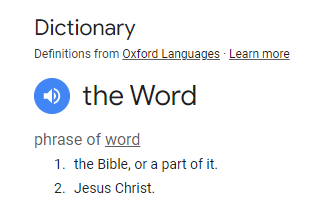
Chances are you mean the Bible. Specifically, that the Bible is God’s literal spoken word to humans. (Or at least, his word spoken to the biblical authors.) Which is a reasonable connection to make, based on a plethora of Bible verses like:
“All Scripture is God-breathed and is useful for teaching, rebuking, correcting and training in righteousness...” - 2 Timothy 3:16
“Scripture” is a word often used interchangeably with the Bible. And so, when we read that “All Scripture is God-breathed,” it seems perfectly logical to conclude that “The Bible is God-breathed.”
But… Which Bible? Which translation? Which interpretation?
I covered the issues associated with those questions in my most recent blog series, so I won't go into detail about that now. But the point I am making is that there is an ongoing debate between biblical inspiration vs. human interpretation.
Here’s what I mean…(Actually, it’s not what I mean, but rather, it’s what David Gushee, one of America's leading Christian ethicists, means.)
In his book Changing Our Mind, Gushee says that the scriptural texts are not the same thing as the interpretive process. They are two different things entirely.
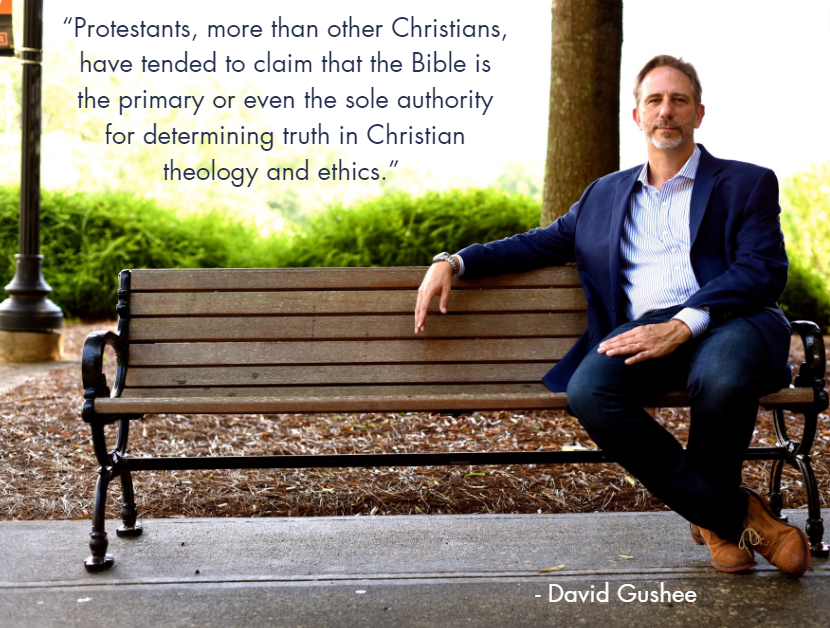
Photo Cred: https://www.unchangedmovement.com/unchanged-allies/david-gushee (caption mine)
Gushee raises the question, how do we connect the dots between what Scripture says when it comes to modern issues? And who determines if we are connecting those dots correctly? Because the reality is that we have absolutely been wrong in the past in our interpretations.
Which is why Gushee says that “humility and charity are called for when engaging in theological and moral argument.” And he also thinks we need a “broader process of analysis and discernment, in loving Christian community, integrating head and heart…to understand not just what the text once meant, but what it means for the believing Church today.”
Conversations about scriptural interpretation require humility and charity in loving community. Sounds a lot like Jesus’s ministry to me.
An issue with assuming “the Word of God” is referring to the Bible in passages of the New Testament in particular is that there was no complete Bible yet at the time the NT stories were playing out. They only had the Jewish Scriptures (what Christians call the Old Testament).
The New Testament wasn't written down for at least forty years after Jesus's death. So when Jesus refers to the "word of God" during his ministry, he is not referring to the Bible as we know it today.
But I think a more compelling case can be made that the “Word of God” is Jesus himself.
That’s what many Christians believe. But it presents problems for Christians who cite passages from the Bible to support their arguments about certain moral issues and then tack on the phrase, “Times may change, but the Word of God never changes,” when what they really mean by that is “The Bible never changes.”
Because Jesus came precisely to bring change. He ushered in a completely countercultural movement.
In fact, early on in his ministry, in a section of his famous Sermon on the Mount, Jesus has this riff where he begins each sentence with, “You have heard it said…but I say…”
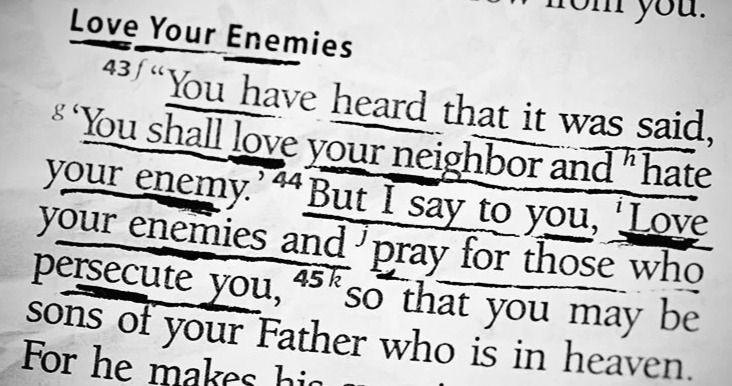
He was saying, “the old ways are done, I’m telling you something new.” Everything he spoke about was making things new and that he himself was the New Covenant.
Jesus was telling his listeners that their understanding of the scriptures needed an update.
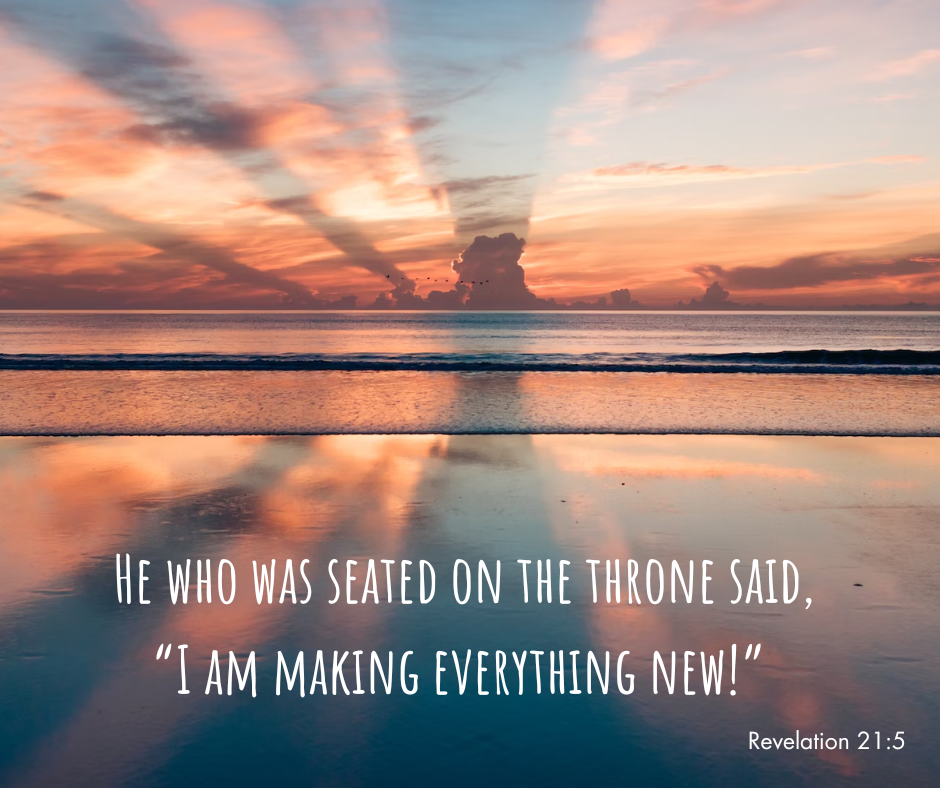
He was explaining his presence launched God’s plan to set things back to rights, to create the New Heavens and the New Earth.
(Pause: Don’t gloss over that! Jesus said the earth would be renewed; he didn’t say it was God’s plan to destroy the earth, for some of us to be sucked into heaven and others of us to be “left behind” or to burn for all eternity…that's a common misunderstanding that I will get to in an upcoming blog, so stay tuned for that one!)
And you know who wasn’t all too excited about this newness and change Jesus was bringing? You know who didn’t approve of his inclusiveness and nonjudgmental vibe? The Pharisees. That should be a lesson for us in and of itself…
"Hatred stirs up conflict, but love covers over all wrongs." - Proverbs 10:12
The point I hope I am making is that Jesus didn’t preach that “The Word of God never changes.” In fact, Jesus said our understanding of the scriptures can and must change as we grow and mature in our faith.
But here’s what never changes: God’s character. God’s faithfulness. God's relentlessly unconditional love for all of his creation. And that’s what we should cling to.
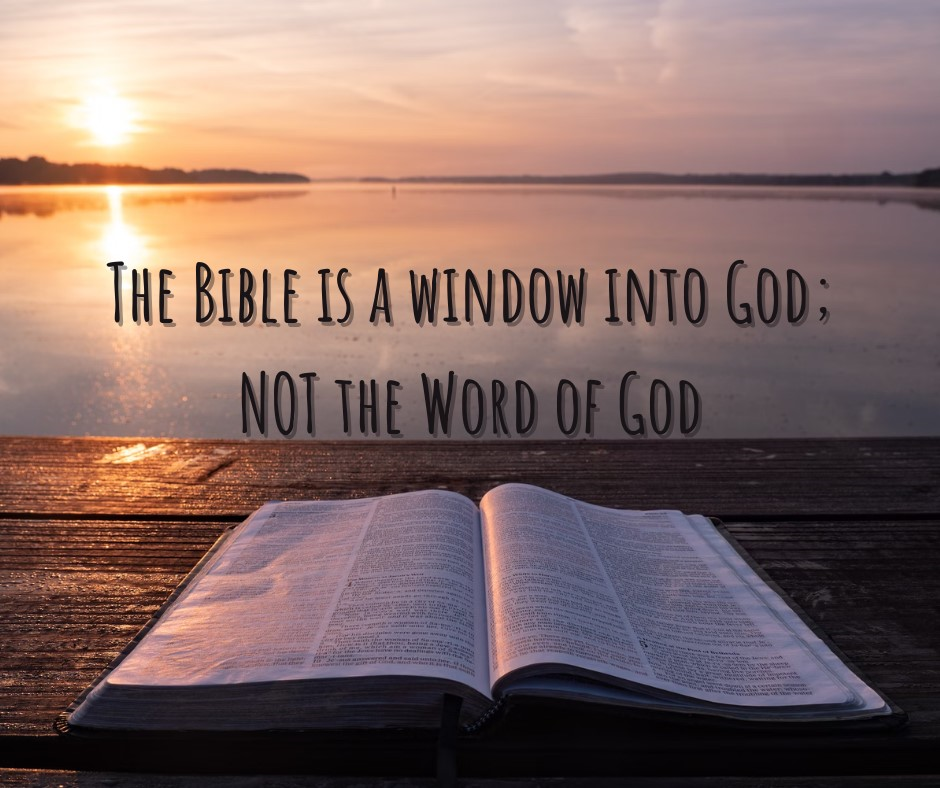
Okay, so how do we know Jesus himself was the "Word of God"? Where does that idea come from? Mostly from the gospel of John. Right in chapter one, verse one, John introduces Jesus like this:
“In the beginning was the Word, and the Word was with God, and the Word was God. He was in the beginning with God. All things were made through Him, and without Him nothing was made that was made.” - John 1:1-3
We might be confused by that, but John wasn’t worried that his audience would be confused by what he was saying. In fact, he knew his Jewish audience, steeped in the Torah, would recognize that he was quoting directly from Genesis 1.
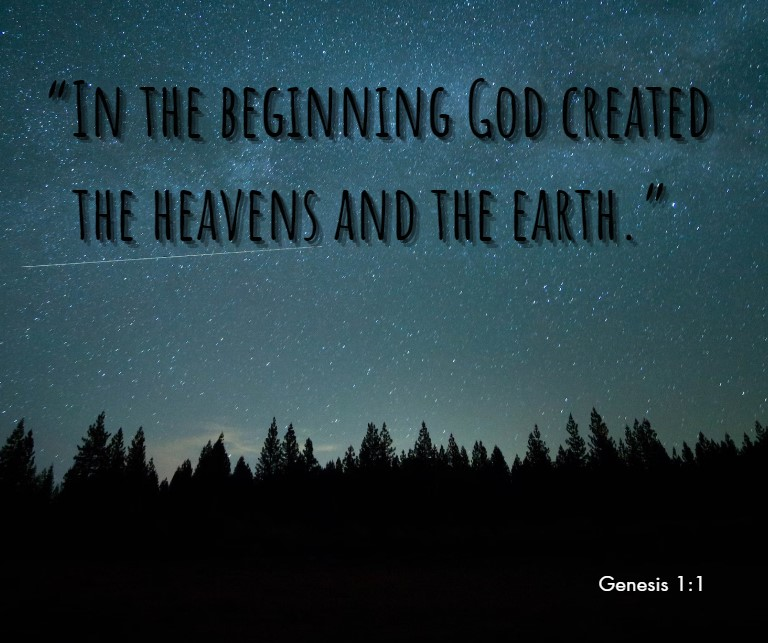
John is saying the eternal word of God, who created all life in the beginning, took human form in the person of Jesus, so that we could see and know God in a new and intimate way. What was previously unknowable can now be known.
To drive this point home, just go back to John 1:1-3 and replace “the Word” with “the Bible” :
“In the beginning was the Bible, and the Bible was with God, and the Bible was God. The Bible was in the beginning with God. All things were made through the Bible, and without the Bible nothing was made that was made.”
I am not being silly; I actually think this helps illustrate the point really well. And it kinda disqualifies the Bible as being “The Word of God” because the Bible was not with God in the beginning since it was not yet written down.
But apparently, Jesus was.
“The Word became flesh and made his dwelling among us. We have seen his glory, the glory of the one and only Son, who came from the Father, full of grace and truth.” - John 1:14
By the way, John doesn't only refer to Jesus as “the Word of God” in his gospel account. Later in the book of Revelation, John describes the “Heavenly Warrior” and says, “He is dressed in a robe dipped in blood, and his name is the Word of God.” (Revelation 19:13)
To be clear, John saw Jesus in that vision, not the Bible.
All that being said, what about when Jesus himself refers to the commands of God (AKA: the Jewish scriptures) as “the Word of God”??
I will say that Jesus himself complicates matters a little bit here… But hang with me and we will see what Jesus was really getting at.
In Mark 7, the Pharisees questioned Jesus about why his disciples were eating without washing their hands first. (This was an ancient Jewish law in the Torah. The Torah is full of commandments…613 to be exact…that the ancient Jews believed were given to them by God. Washing before meals was one of them.)
Well, this question ticks Jesus off, and it also reveals Mark’s point in telling this story, which is about the hypocrisy of the Pharisees. Jesus says to them in verse 9, “You have a fine way of setting aside the commands of God in order to observe your own traditions!”
He is saying their actions don’t align with their words.

Jesus then tells them in verse 13 that they “nullify the word of God” by this behavior. But he is being very intentional and specific with which part of the Torah he is referring to: the law.
I think the point we are meant to see in this context, and what I think Jesus was getting at, is that there is no life in the scriptures. Why would we place a higher priority on laws and ideas than we do on the way we treat people?
Jesus didn’t say, “people will know you are my disciples by how well you can quote passages of scripture.” Rather, he said, "By this all people will know that you are my disciples, if you love one another." (John 13:35)
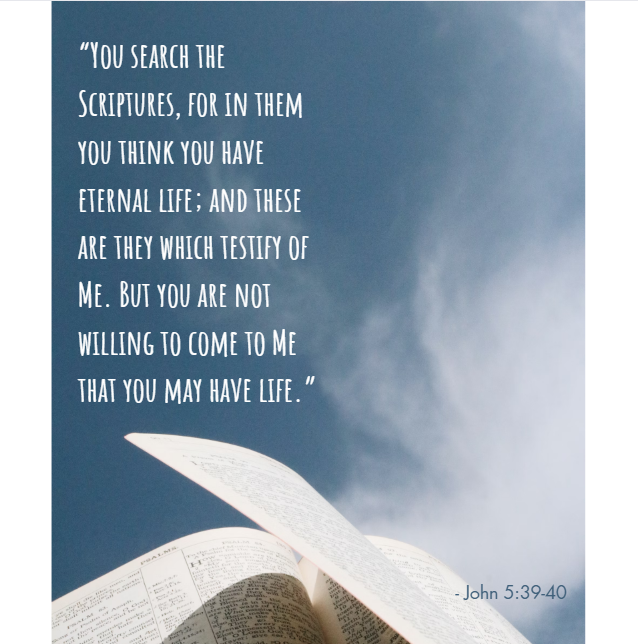
Just because Jesus himself is the Word of God, that doesn’t erase the importance of the Bible and its commands. Jesus came to fulfill the law, not abolish it (Matthew 5:17).
It just means that we can’t really go around saying things like, “The Bible is clear on that issue,” or “Times may change but the Word of God never changes,” if what we are truly aiming to do is to condemn certain cultural, political, or moral issues by using certain Bible verses, because these are flippant, thoughtless things to say about really complex issues. It is not only unhelpful, but it’s arguably untrue.
However, it’s come to my attention recently that people don’t always do this out of malice or with a political agenda that they’re aware of. They truly believe what they are saying. It’s what they’ve been taught, and they are sincerely concerned about the state of the world in regard to the issues that prompt them to make those kinds of statements.
And so, I want to try harder to withhold judgment and extend more grace and understanding. And if anything I have said has come off like "I am right and you are wrong," then I have done the very opposite of what I set out to do. Because what I hope to communicate is that we all need to make more room for the unknown and the unfamiliar to coexist alongside our convictions and to do so with love and humility. It is possible, if we can loosen our grip on the need to have certainty on these matters.
But as much as some people want it to, the Bible simply does not speak to many of the modern issues and conversations we are having today.
We must keep in mind that the Bible was - very importantly - NOT written TO us in twenty-first century America. It was written to a very specific group of people in a very specific era and in a very specific geographical and cultural location.
But it was written FOR us. Meaning, we can and should derive meaning for our lives today. We can and should find direction and instruction about right living.
But we absolutely MUST acknowledge the limitations of the Bible and keep it in its proper place rather than elevating it to idol status in our lives, or we run the risk of hurting ourselves and those around us.
We run the risk of doing precisely the same thing the Pharisees did when Jesus told them their behavior nullified the law.
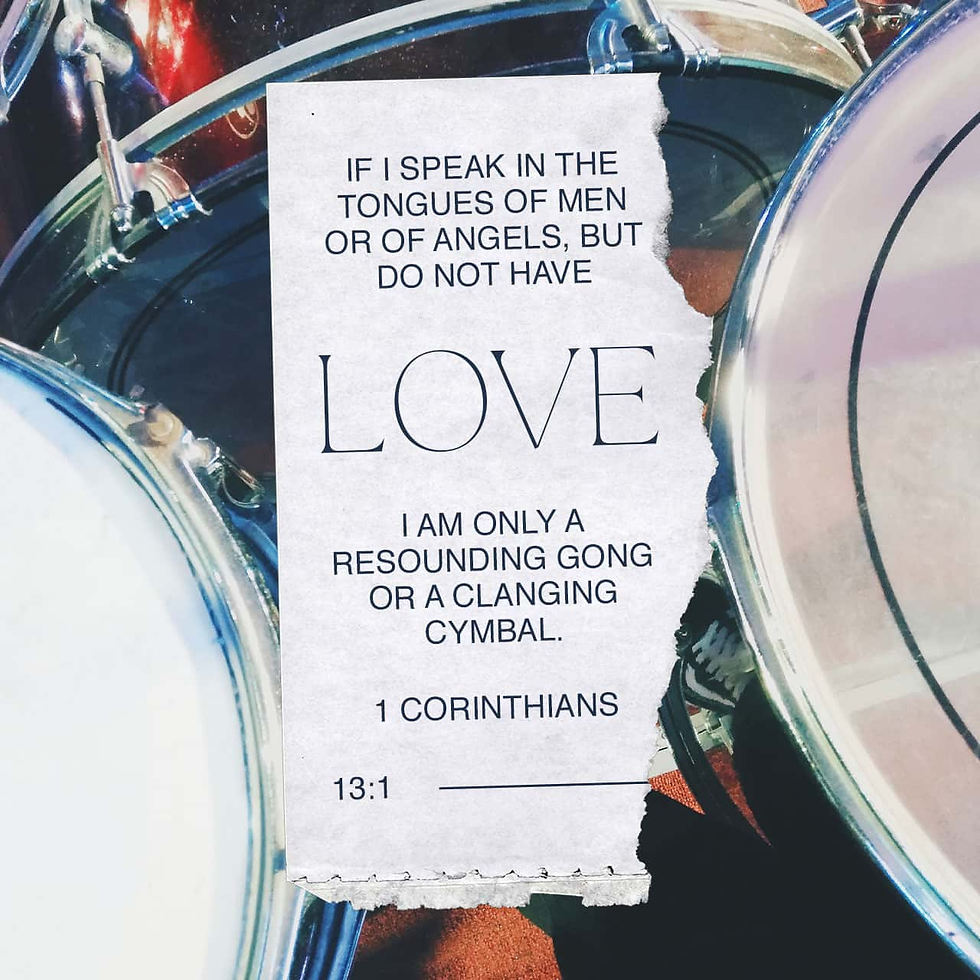
To be clear, we are all guilty of attempting to domesticate the Bible. And I am no exception.
I frequently ask myself, “Am I coming at this with an open mind, or is my mind already made up? Am I proof-texting in my own self-righteous way? Am I masquerading as being the ‘right kind of Christian,’ when I am just as guilty of being judgmental as the ones I call out for judging? Is it possible I don't have all the relevant information here?”
When it comes to the Bible, many of us go to great lengths to make it fit into our world. The one we have comfortably carved out for ourselves and our preferred group. Either to make it sound more palatable (“anything goes relativism”) or to morph the Bible into something that serves our political agenda.
All the while, quite ironically, quoting Romans 12:2 at people…
"Do not conform to the pattern of this world..." - Romans 12:2
By the way, people love to quote the beginning of Romans 12, in the context of judging the current condition of “culture” today. But they typically leave out the rest of that verse that says, "but be transformed by the renewing of your mind. Then you will be able to test and approve what God’s will is—his good, pleasing and perfect will."
Not to mention the rest of that chapter where Paul goes on to describe what he means by not conforming to the patterns of this world. (Read Romans 12 start to finish, instead of verses in isolation, and you will get a better picture.)
Paul’s message to the church in Rome was that they were called to live in love and generosity to others, to love their enemies, and to live with joy and hope and in service to one another. He taught them not to think they are any better than anyone else, and to appreciate everyone’s differences and unique spiritual gifts.
That’s what Paul meant by not conforming to the patterns of this world.
Talk about a major change…. That was an enormous shift in cultural norms and expectations for the early Christians! And that message stands for us today. And that’s my point with this entire blog.
I think rather than hanging our hats on “the Word of God never changes,” we would be better off to embrace change that leads to more inclusivity. And to take our cue from Jesus and to let love guide our actions, even if it means setting aside what we consider to be “the law.” Even if it means we have to change some of our previously held beliefs, because they no longer serve us or others.
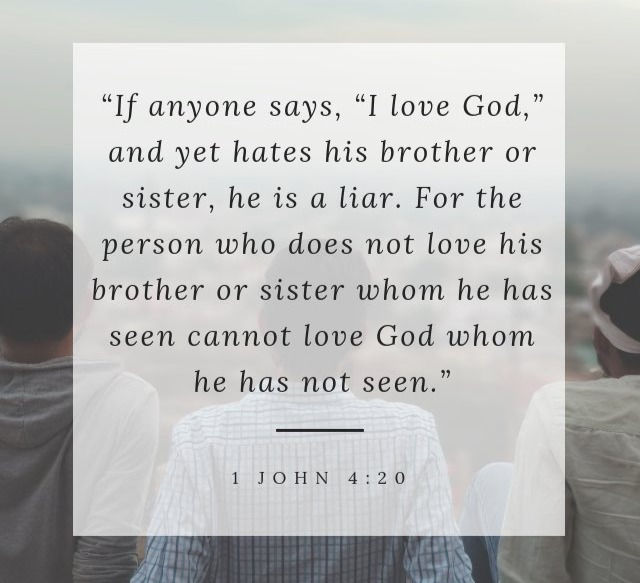
Because Jesus called his followers then and he is calling us today to something completely different than what we currently understand about the world.
And it’s up to us whether we will drop our nets and follow his revolutionary, countercultural way, or if we will stay where we are, clinging to our Bibles and refusing to budge. And my prayer is that we will all think a little harder about these things and that we will give thoughtful consideration to what we mean when we say “the Word of God.”
Then Jesus said to his disciples, “If any of you wants to be my follower, you must give up your own way, take up your cross, and follow me. - Matthew 16:24


Comments